

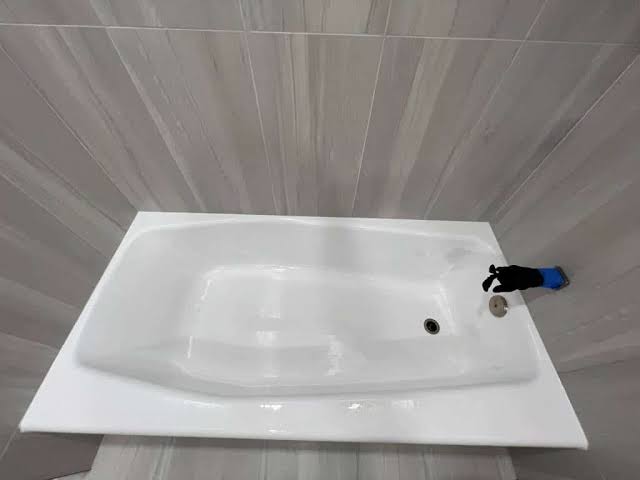
Bathtub reglazing vs replacement NYC comes down to the condition of the existing tub and the scope of the bathroom project. If the tub is structurally sound but looks dull, stained, chipped, scratched, or dated, professional reglazing is usually the faster, lower-disruption choice. If the tub has rusted through, has major cracks, moves underfoot, leaks repeatedly, or is part of a full layout renovation, replacement is the appropriate long-term solution.
In a New York City apartment, the decision is rarely about the purchase price of a new tub alone. Replacement can involve demolition, plumbing disconnection, tile or wall repair, waterproofing, delivery and elevator coordination, debris removal, and building-required protection or documentation. Reglazing avoids most of that construction scope, although it still requires careful preparation, ventilation, and adequate curing time.
Choose reglazing when the tub is structurally sound
Bathtub refinishing NYC is an excellent fit when the problem is primarily cosmetic rather than structural. A properly prepared surface can be restored to a clean, uniform, glossy appearance without removing the fixture or opening surrounding walls.
- The tub is solid, stable, and free of significant cracks.
- The surface is discolored, dull, worn, scratched, or an outdated color.
- There are minor chips or small surface imperfections that can be repaired.
- You need a practical refresh for a rental turnover, sale preparation, or occupied apartment.
- You want to preserve existing tile, plumbing locations, and a functioning bathroom layout.
For many co-op owners, landlords, and property managers, refinishing offers the best balance of appearance, speed, and reduced building disruption when the underlying tub remains in good condition.
Choose replacement when the underlying tub or plumbing has failed
Replacement is warranted when a new coating would only cover a deeper problem. It is also the stronger choice when the bathroom is already being rebuilt and the owner wants a different tub size, style, depth, or accessibility feature.
- Rust has penetrated the tub or created holes.
- Cracks are significant, spreading, or compromise the tub shell.
- The tub shifts, flexes excessively, or feels unstable.
- Leaks keep returning, especially where plumbing or surrounding walls may be involved.
- There is suspected water damage, deteriorated flooring, or moisture behind tile.
- Plumbing locations must change or the bathroom layout is being redesigned.
The practical rule is simple: reglaze a sound tub that needs a cosmetic reset; replace a failed tub or one tied to larger plumbing, waterproofing, or renovation work. In NYC, choosing correctly can prevent a straightforward bathroom refresh from expanding into a much larger construction project—or prevent a surface repair from delaying a necessary replacement.
At-a-Glance: Cost, Downtime, Mess, and Lifespan
For a structurally sound tub with surface wear, reglazing is usually the faster, lower-disruption choice. Replacement becomes a larger construction project: the price of the new fixture is only one part of the final bathtub replacement cost NYC owners and landlords should expect.
Side-by-side comparison table
| Project factor | Professional reglazing / tub resurfacing | Full bathtub replacement |
|---|---|---|
| Overall scope | Restores the existing tub surface through cleaning, preparation, minor repair, coating, and curing. | Removes the old tub and installs a new fixture, often followed by plumbing, wall, tile, waterproofing, and finish repairs. |
| Relative total cost | Typically the lower-cost option when the tub itself is sound and surrounding finishes can remain in place. | Typically higher because labor and related construction work can exceed the retail price of the tub. |
| Bathroom downtime | Usually a short, contained service visit plus the required curing period before the tub can be used. | Often extends across a multi-step construction sequence, especially when tile, walls, flooring, or plumbing need repair. |
| Cure or ready-to-use time | Requires adequate ventilation and cure time; use should wait until the coating has fully cured. | Depends on installation, plumbing testing, waterproofing, grout, caulk, and any wall or tile work completed around the new tub. |
| Demolition | No tub removal or major demolition for a suitable existing fixture. | Usually involves removal of the old tub and may require opening finished walls, removing tile, or cutting surrounding materials. |
| Plumbing work | Generally limited because the existing tub and drain arrangement stay in place. | May require disconnecting and reconnecting drains, valves, supply lines, or adjusting plumbing for a different tub model. |
| Dust, noise, and debris | Preparation and coating create odor and require ventilation and careful protection, but generate relatively little demolition debris. | More likely to create demolition noise, construction dust, broken tile, packaging, and bulky debris. |
| Building coordination | Access and ventilation still matter, but logistics are usually simpler. | May require delivery scheduling, service-elevator reservations, protective coverings, contractor documentation, and longer access windows. |
| Waste removal | Minimal bulky waste because the original tub remains in the bathroom. | Requires a plan for hauling and disposal of the removed fixture and construction debris. |
| Expected durability | Can provide a durable renewed finish when preparation is professional, the substrate is sound, curing is respected, and aftercare is appropriate. | A new tub provides a new fixture, with long-term performance influenced by material quality, installation, waterproofing, and surrounding plumbing. |
| Best fit | Cosmetic wear, dullness, staining, outdated color, minor chips, or scratches on a stable tub with no underlying leak or structural issue. | Rust-through, major cracks, movement, recurring leaks, water damage, plumbing changes, accessibility upgrades, or a full bathroom redesign. |
What the comparison means for NYC apartments
In New York City, total project impact often matters more than the fixture price. A replacement estimate may need to account for old-tub removal, delivery, plumbing labor, tile or wall repairs, waterproofing, finishing work, debris hauling, and disposal. In a compact apartment bathroom, disturbing the tub can also expose conditions behind walls or beneath flooring that expand the scope.
Building logistics can further separate the two options. Co-ops, condos, rentals, and managed commercial properties may require certificates of insurance, service access, elevator reservations, hallway and elevator protection, approved work hours, and coordinated debris removal. Replacement generally involves more deliveries, trades, noise, and waste than refinishing, so it commonly requires more advance planning.
Reglazing is not disruption-free: the bathroom must be prepared, protected, ventilated, and left unused during the required cure period. Still, when the existing fixture is a good candidate, it avoids the demolition and construction chain that can turn a simple tub update into a broader bathroom project. Exact cost and timing should be based on the tub’s condition, prior coatings, access route, material selections, plumbing scope, and building requirements.
Total Project Cost: Why Replacement Often Costs More
Reglazing is a surface-restoration project; replacement is usually a construction project. That distinction explains why a new tub with an attractive retail price can still lead to a much higher final invoice. The tub itself is only one item in a replacement scope. Labor, access, demolition, plumbing, wall repairs, waterproofing, finishing, and disposal often determine the true bathtub replacement cost NYC owners and landlords should budget for.
What a reglazing estimate usually covers
For a tub that is structurally sound, refinishing focuses on restoring the existing surface rather than disturbing the surrounding bathroom. A professional scope commonly includes thorough cleaning and surface preparation, repair of minor chips or worn areas, masking and protection of nearby fixtures, application of a new coating system, and required curing time.
This approach can be especially practical for cast iron bathtub reglazing, where the original fixture may be durable and worth preserving even if its enamel is dull, stained, chipped, or dated in color. Because the tub stays in place, the project generally avoids opening walls, disconnecting plumbing, removing tile, or hauling a heavy fixture through the building.
Reglazing still requires careful site preparation and proper ventilation. It is not simply a quick paint job. The condition of the existing surface, any prior coatings, and the time allowed for curing all affect the work involved and the final finish.
Replacement costs go far beyond buying the new tub
A replacement project begins with purchasing and delivering a new fixture, but that is rarely where the expense ends. Removing an existing tub can require demolition of adjacent wall finishes or tile, disconnection of the drain and overflow, and careful extraction of a heavy cast-iron or steel tub from a compact bathroom.
- Removal and disposal of the existing tub
- Demolition of tile, wall panels, flooring, or enclosure materials as needed for access
- Plumbing disconnection, drain adjustments, valve work, and reconnection
- Installation, leveling, and secure support of the new tub
- Repair or replacement of damaged wallboard, backer board, and tile
- Waterproofing behind the tub surround before finishes are restored
- Caulking, painting, trim work, and cleanup after installation
- Delivery coordination, debris hauling, and legal disposal of removed materials
Once wall finishes are opened, hidden conditions can also expand the scope. Deteriorated backing, old plumbing connections, moisture damage, or incompatible dimensions may need attention before the bathroom can be closed back up. This is why comparing a refinishing quote with the store price of a replacement tub is not an apples-to-apples comparison.
In a full NYC bathroom renovation, replacement may make sense because the walls, plumbing, and finishes are already being rebuilt. But when the surrounding bathroom is in good condition, installing a new tub can turn a focused cosmetic update into a multi-trade repair project.
NYC building logistics can change the final budget
New York City access conditions can add meaningful cost and scheduling complexity to replacement work. A contractor may need to coordinate delivery and removal through a service entrance, reserve a service elevator, protect hallways and elevator interiors, provide certificates of insurance, and work within building-approved hours. Co-op and condo management may also require advance notice, contractor paperwork, or specific debris-removal procedures.
These requirements matter most when a large or heavy fixture must travel through shared spaces. A tub removed from an upper-floor apartment cannot simply be left at the curb, and demolition debris must be contained, transported, and disposed of appropriately. If an elevator is unavailable or the building has narrow stairs and limited access, labor and protection requirements can increase further.
By keeping the existing tub in place, reglazing generally limits these construction-related variables. The best value is not always the lowest initial quote; it is the option that solves the tub’s actual condition without creating unnecessary demolition, plumbing, and building-access costs.
Downtime and Disruption in an NYC Building
For a sound tub that needs a cosmetic reset, reglazing is usually the lower-disruption choice. Replacement is a larger construction project: it can involve demolition, plumbing, wall repairs, delivery logistics, debris removal, and building approvals. In either case, the exact schedule depends on tub condition, surrounding finishes, contractor scope, and your building’s access and work rules.
Reglazing: Preparation, Application, and Cure Time
Bathtub refinishing NYC projects avoid the noise and debris of removing a heavy fixture, but they still require planning. The work area must be cleaned, masked, repaired where appropriate, and ventilated before coating is applied. Preparation can include removing old caulk, addressing minor chips, and protecting nearby tile, floors, fixtures, and bathroom surfaces.
During application, occupants should expect odors from professional coating materials and should keep the bathroom closed off as directed. Proper ventilation is essential, and residents, pets, and sensitive individuals should avoid the work area until the contractor confirms it is safe to re-enter. The tub also needs uninterrupted cure time before it can be used. Using it too soon can compromise the finish, even when the surface appears dry.
The practical advantage is containment: there is generally no tub removal, no opening of walls simply to extract the fixture, and no discarded tub moving through common areas. For an occupied apartment or a fast rental turnover, that can substantially reduce disruption.
Replacement: Demolition Through Final Repairs
Replacement typically affects more than the tub itself. Removing an existing unit—especially a cast-iron tub in an older apartment—may require demolition around the tub, disconnecting and reconnecting plumbing, and opening or repairing tile, wallboard, or flooring. Once the new tub is installed, the surrounding area may need waterproofing, wall repair, tile replacement, grout, caulk, painting, and final cleanup.
That sequence creates a different kind of downtime. Demolition produces noise, dust, and debris; cutting or breaking out materials can affect adjacent finishes; and the bathroom may remain out of service until plumbing and finish work are complete. A simple swap with accessible plumbing may move relatively smoothly, while a project that reveals damaged walls, aging supply lines, or hidden water damage can expand quickly.
For this reason, an NYC bathroom renovation involving a tub replacement should be scheduled as a construction project, not treated as a quick product installation. The delivery date for the new tub is only one milestone. The full timeline includes access, removal, installation, repairs, inspections where applicable, and finishing work.
Access, Elevator, Work-Hour, and Waste Considerations
In New York City, building logistics can influence both the schedule and the contractor’s scope. Before approving either option, confirm the requirements with your superintendent, managing agent, or board.
- Service elevator reservations: A replacement tub, demolition materials, tools, and debris may need a reserved service elevator. Some buildings limit reservation windows or restrict move-ins, deliveries, and construction activity on certain days.
- Elevator and hallway protection: Buildings may require protective coverings for elevators, corridors, and lobby routes before materials or heavy debris can be moved.
- Certificates of insurance: Co-ops, condos, and managed rentals often require contractors to provide a certificate of insurance before work begins. Additional insured language or building-specific documentation may be required.
- Work-hour rules: Demolition, drilling, hauling, and other noisy work must usually occur within designated weekday hours. Reglazing is quieter, but access and ventilation arrangements may still need to fit building policies.
- Protection and dust control: Replacement crews may need dust barriers, floor protection, and a controlled route for debris. These measures help protect common areas and reduce cleanup concerns inside the apartment.
- Waste removal coordination: An old tub cannot simply be left in a hallway or at the curb. Disposal may require contractor hauling, scheduled pickup, or compliance with building procedures for construction debris.
- Management or board approval: Some buildings require notice, alteration paperwork, or approval before plumbing-related work, demolition, or major deliveries begin.
Reglazing also benefits from early coordination, particularly in buildings with strict ventilation, access, or resident-notice policies. However, it generally has fewer common-area impacts because the existing tub stays in place.
Bottom line: choose refinishing when preserving the existing fixture can meet your goals and minimizing bathroom downtime is a priority. Plan for replacement when the tub or plumbing requires it—but allow time for the full construction sequence and the building rules that govern it.
Results and Durability: What Each Option Can Deliver
A professionally reglazed tub can look clean, glossy, and uniform when the underlying fixture is sound. It is a surface-restoration solution: it can refresh a dated color, conceal minor cosmetic wear, and improve the appearance of suitable porcelain, enamel, fiberglass, or acrylic tubs without changing the tub itself. Replacement delivers the better result when the goal is a new tub configuration, added accessibility, or a complete bathroom redesign.
How a Professionally Reglazed Tub Should Look and Feel
Successful tub resurfacing creates a smooth, consistent finish that restores the visual impact of a well-maintained bathtub. On an appropriate surface, the finished tub should look even in color and sheen, feel smooth to the touch, and make stains, dullness, small chips, and outdated finishes far less noticeable.
This is often especially valuable for older fixtures that are worth preserving. For example, cast iron bathtub reglazing can renew the appearance of a heavy, durable original tub while avoiding the construction required to remove it from a tight NYC bathroom.
Reglazing does not change the tub’s dimensions, drain location, depth, shape, or structural condition. It improves the surface—not underlying cracks, rust-through, movement, plumbing defects, or water damage behind surrounding walls.
What Affects Coating Longevity
The lifespan and appearance of a refinished surface depend heavily on the condition of the tub and the quality of the preparation. Professional results begin with thorough cleaning, surface preparation, repair of appropriate minor damage, and proper application conditions. A coating needs its full recommended cure time before the tub returns to service.
- Existing condition: A solid tub with cosmetic wear is a stronger candidate than one with deep deterioration, flexing, or compromised metal.
- Prior coatings: An older refinishing layer may require additional preparation or removal. Peeling, repeated touch-ups, or unknown prior work can affect how a new coating performs.
- Proper curing: Using the tub too soon can mark, dull, or weaken a newly applied finish. Plan bathroom use around the required curing period.
- Cleaning habits: Non-abrasive cleaners and soft sponges help preserve the finish. Scouring powders, harsh abrasives, and aggressive scrub pads can scratch or reduce the gloss.
- Accessories and standing water: Suction-cup bath mats and products that trap moisture can damage a refinished surface. Avoid leaving wet items in the tub for extended periods.
A reglazed finish should be treated as a high-quality restored surface, not an indestructible factory finish. With appropriate care, it can provide an attractive, practical reset for a bathroom that does not otherwise need construction work.
When a New Tub Delivers a Better Long-Term Result
Replacement has a different advantage: it allows the bathroom to change physically, not just cosmetically. A new tub may be the right investment when the owner wants a different style, greater soaking depth, a new material, a shower conversion, or an accessibility-oriented design such as a lower threshold or walk-in bathing solution.
It is also the stronger long-term choice when a bathroom renovation already includes wall removal, tile replacement, waterproofing work, or plumbing relocation. In that setting, installing a new fixture can align the tub with the redesigned room and prevent a restored surface from being the only older component left in a fully rebuilt bathroom.
For a sound existing tub, however, reglazing can achieve the visual result many NYC owners and landlords want: a bright, clean-looking bathroom with less disruption to the apartment. The practical choice comes down to whether the project needs a surface transformation or a complete fixture and layout transformation.
When Reglazing Is Smart—and When Replacement Is Necessary
The right choice starts with the condition of the existing tub—not simply its age or color. Reglazing is the practical choice when the tub is solid and the problem is primarily cosmetic. Replacement is necessary when damage extends beyond the finish to the tub body, plumbing, surrounding walls, or floor structure.
Excellent candidates for refinishing
Professional bathtub refinishing NYC projects are especially well suited to tubs that remain stable, functional, and watertight but look worn out. A quality surface restoration can provide a clean, uniform appearance without turning a bathroom refresh into a demolition project.
- Discoloration or staining: A yellowed, faded, or uneven finish can often be renewed when the underlying surface is intact.
- Dullness and ordinary surface wear: Loss of shine, light etching, and general aging are cosmetic concerns that do not automatically require a new tub.
- Minor chips and scratches: Small isolated defects can often be repaired as part of the preparation process before coating.
- An outdated color: A structurally sound older tub may be worth preserving when the goal is to update a dated bathroom aesthetic.
- Sound porcelain, enamel, fiberglass, or acrylic: The best candidates are tubs that feel firm underfoot, hold water properly, and show no evidence of ongoing leakage or structural failure.
- Prioritizing speed and low disruption: Refinishing is often a strong fit for rental turnover, sale preparation, or an apartment refresh where avoiding tile removal and plumbing work matters.
For landlords and property managers, refinishing can be a sensible way to improve presentation between tenants while limiting downtime. For co-op and condo owners, it can preserve an original cast-iron tub and avoid the access, protection, and approval requirements that may accompany a larger construction scope.
Red flags that call for replacement or a deeper inspection
A new coating cannot correct a failed tub, concealed water damage, or a plumbing problem. If any of the following conditions are present, pause before approving refinishing and have the underlying condition evaluated.
- Rust-through or deep corrosion: Surface rust may be repairable in limited cases, but holes, weakened metal, or extensive corrosion indicate that the tub body may be compromised.
- Significant cracks: Large, spreading, flexible, or recurring cracks—particularly in fiberglass or acrylic—can allow water to reach the structure below.
- Movement or instability: A tub that shifts, flexes noticeably, or feels unstable may have support or floor issues that surface work will not solve.
- Recurring leaks: Water appearing below the tub, around the drain, at the overflow, or in an adjacent apartment requires plumbing and waterproofing diagnosis first.
- Damaged walls, subfloor, or surrounding tile: Soft flooring, loose wall finishes, stained ceilings below, or deteriorated backing can point to moisture intrusion beyond the tub itself.
- Mold or persistent moisture concerns: Visible mold, musty odors, or water-damaged wall cavities call for corrective work, not a cosmetic coating.
- Major plumbing changes: Moving drain locations, changing valve positions, converting a tub to a shower, or correcting aging supply lines usually makes replacement part of a broader renovation scope.
- A full bathroom redesign: If you need a different tub size, depth, style, accessibility feature, or layout, replacement is the more appropriate long-term investment.
Replacement may also be the better decision when a tub has been coated multiple times and the existing finish is broadly peeling or failing. The key question is whether thorough preparation can produce a stable surface—or whether the tub and surrounding assembly need to be opened up and rebuilt.
Match the solution to the project goal
For rental owners: Choose refinishing when the tub is sound and the priority is a fast, clean-looking turnover with limited construction. Choose replacement when unresolved leaks, damaged walls, or repeated repair calls could create larger maintenance costs after the unit is reoccupied.
For co-op and condo owners: Reglazing is often attractive when preserving a usable original tub avoids demolition, hauling, service-elevator coordination, and the possibility of disturbing tile or waterproofing. Replacement is justified when the building condition, plumbing work, or renovation plan requires opening the bathroom anyway.
For homeowners renovating for the long term: Refinishing is a cost-conscious cosmetic reset when you like the existing tub’s size and placement. Replacement makes more sense when the bathroom needs a new layout, improved accessibility, a deeper soaking tub, or a different fixture configuration. In those cases, the total bathtub replacement cost NYC should be evaluated as part of the entire bathroom scope rather than as the price of the tub alone.
A simple rule: If the tub is stable, watertight, and cosmetically tired, refinishing is usually worth considering. If the tub is cracked, rusted through, leaking, moving, or surrounded by water-damaged construction, replacement—or a more complete repair—should take priority.
Choose the Right Tub Solution for Your NYC Project
The right choice starts with the condition of the existing tub and the work planned around it. If the tub is solid, stable, and free of active leak or water-damage issues, a professional surface restoration can be the practical way to achieve a clean, updated appearance without turning a bathroom refresh into a larger construction project. If the tub, plumbing, walls, or floor have failed—or the bathroom is being redesigned—replacement is usually the sounder investment.
For many owners and managers, the deciding question is simple: Are you improving a sound fixture, or correcting an underlying building problem? A cosmetic refresh, tenant turnover, or sale preparation may favor tub resurfacing. A full NYC bathroom renovation, persistent moisture issue, accessibility upgrade, or layout change calls for a broader construction plan.
Questions to ask before approving work
Prepare this short checklist before requesting an estimate. Clear information helps a contractor recommend the appropriate scope and helps avoid surprises after work begins.
- Has the tub been refinished before? Prior coatings may need special evaluation or removal before another finish can be applied.
- What does the damage look like? Photograph chips, scratches, stains, peeling areas, cracks, and rust spots in good light.
- Is there any movement, leaking, or soft material nearby? Note a tub that flexes, loose fixtures, recurring leaks, water stains, deteriorated caulk, or suspected wall and floor damage.
- What are the building requirements? Confirm service-elevator availability, certificate of insurance requirements, work-hour limits, protection rules, loading access, and debris-disposal procedures with management.
- What is the project goal? Identify whether you need a fast visual refresh, rental turnover improvement, listing preparation, preservation of an original fixture, or a full renovation.
- Are other bathroom elements changing? New plumbing locations, tile replacement, waterproofing repairs, or a different tub size can shift the project from refinishing to replacement.
Get a condition-based recommendation
A sound tub with surface wear deserves a close refinishing assessment before demolition is approved. Conversely, rust-through, structural cracks, instability, recurring leaks, or water-damaged surrounding materials should be addressed at the source rather than covered with a new coating.
In NYC, that condition-based decision can protect both your budget and your schedule. It helps limit unnecessary demolition when a finish restoration is appropriate, while ensuring that serious tub or plumbing problems receive the full repair scope they require. The best outcome is not automatically the cheapest option or the newest fixture—it is the solution that fits the tub, the building, and the purpose of the project.


